
Handmade Strength: Cooperatives Reawakening the Alpine–Adriatic Countryside
Today we explore reviving rural economies through artisan cooperatives in the Alpine–Adriatic region, where mountain hamlets and sea-breezed towns reconnect through shared craft, fair pricing, and community-led resilience. Discover how collective making, transparent governance, and cross-border collaboration can turn inherited skills into dignified livelihoods. Join the conversation, share your story, and subscribe to follow workshops, maker trails, and inspiring cooperative breakthroughs.
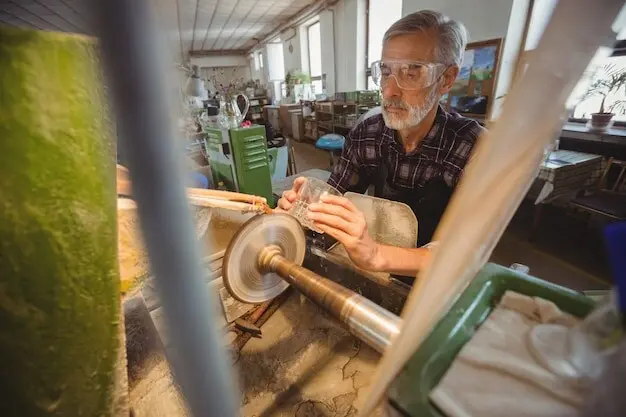

Roots, Routes, and Resilience across Mountains and Coasts
Centuries of craft have threaded the Alps to the Adriatic, carrying wool, wood, clay, and cheese along mule paths and river valleys toward lively markets. Today, cooperatives reconnect these routes, helping makers keep value local while welcoming curious visitors. By uniting workshops and voices, they defend heritage, confront depopulation, and cultivate pride that reaches from pine forests to limestone headlands.

Cooperative Mechanics that Multiply Local Value
A cooperative is more than a storefront; it is a pact that makes solo craftspeople stronger together. Collective bargaining raises prices to reflect real labor and materials. Shared accounting, insurance, and legal support reduce overhead. Joint purchasing cuts costs. Clear governance balances voices, and dividend policies fairly distribute surplus, ensuring prosperity circulates among hands that create it.
When members agree on fee structures, quality standards, and time-based costing, prices stop being guesswork. Open books reveal margins, enabling honest conversations about sustainability and wages. Customers trust what they can see, and artisans finally receive recognition for invisible steps like sourcing, drying, seasoning, and finishing, which quietly determine durability, beauty, and true value.
Pooled equipment—kilns, looms, solar dryers, precision saws—unlocks capabilities single workshops cannot afford. Maintenance plans, booking calendars, and training sessions spread risk and responsibility. When a large order arrives, task-sharing prevents burnout and late penalties. Instead of racing alone, makers move in formation, meeting deadlines while protecting craft quality and each member’s creative voice.

Design, Storytelling, and Markets that Care
Good design respects process, materials, and place. Great design also speaks to buyers who yearn for meaning, longevity, and repairability. Cooperatives mentor branding, photography, and packaging that carry provenance without cliché. They cultivate wholesale relationships aligned with ethics, build subscription boxes that educate gently, and curate seasonal collections that balance continuity with refreshing, locally grounded innovation.
Mountain wool becomes desirable when the path from shearing to scouring, natural dyeing, spinning, and knitting is visible and valued. Cooperative labels explain fibers, handlers, and care. Fit guides, repair programs, and take-back policies close loops. Suddenly, a cardigan is not a product; it is a partnership across flocks, workshops, and seasons of weather.
Place-based marks—alpine pasture origin, karst stone finish, slow-fermented cheese—function like trust compacts. QR codes reveal maker profiles, batch photos, and material tests. When a stamp guarantees fair pay and responsible sourcing, retailers treat goods as ambassadors, not commodities. Each purchase validates the promise, encouraging continuous improvement rather than corner-cutting or short-lived trend chasing.
Shepherds, Forests, and Stone Quarries in Balance
Grazing plans protect alpine meadows; selective logging preserves mixed-age stands; careful quarrying respects cliffs and cultural monuments. Cooperative codes require traceability, so each board, fleece, and slab has a story and responsibility attached. These protocols prevent extraction mindsets, turning material sourcing into an act of care that future generations can continue with pride.
Energy, Transport, and Low-Carbon Deliveries
Shared solar arrays, efficient kilns, consolidated shipments, and regional micro-fulfillment cut emissions without delaying orders. Bicycle couriers handle nearby deliveries; trains replace vans where routes allow. Packaging swaps plastic for compostable padding and reusable crates. Customers appreciate honest carbon accounting and practical improvements, understanding that small steps compound into meaningful, measurable, place-based climate action.
Waste Becomes Resource
Wool seconds become insulation and felted slippers; wood shavings line mushroom beds; whey feeds pigs or transforms into ricotta; broken ceramics inspire mosaics. Cooperative matchmaking turns leftovers into revenue, funding experiments that keep materials circulating. Members celebrate ingenuity, proving that beauty and profitability can emerge from disciplined attention to what others might discard.
Journeys that Support Makers, Not Souvenir Bins
Tourism can nourish or exhaust. Cooperative itineraries slow travelers down—guiding them to studios, shepherd huts, and markets where purchases meet people, not piles. Transparent pricing, bookable workshops, and seasonal calendars help plan meaningful stops. Visitors leave with objects and stories, while villages gain steady income, apprentices, and reasons for lights to stay on year-round.

One Shopfront, Many Villages
A cooperative marketplace integrates inventory across towns, flagging lead times and materials honestly. Pre-orders finance batches, while waitlists respect capacity. Makers keep profiles that feel human—tools, mentors, landscapes—so browsing becomes a visit. Customers support a region rather than a single seller, distributing opportunity and building familiar trust that keeps carts from feeling anonymous.
Languages, Currencies, and Trust
Multilingual pages, fair exchange rates, and transparent duties calm cross-border doubts. Clear size charts, repair policies, and maker guarantees reduce returns. Testimonials highlight journeys from studio to doorstep. By naming risks and solutions plainly, the cooperative earns credibility, encouraging subscribers to commit to slower deliveries that safeguard quality, climate goals, and artisan wellbeing together.
All Rights Reserved.